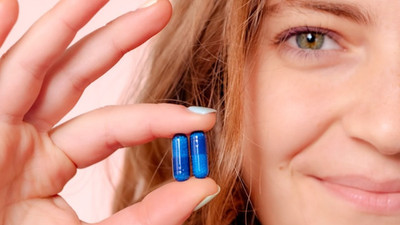
If you're over 35 and starting to look into fertility supplements, you've probably noticed just how many options are out there. The truth is, the strongest evidence points you toward a small, targeted set of nutrients that support your egg quality, hormonal balance, and the biological foundations of conception during the years when your natural fertility begins to decline more steeply — not the long ingredient lists you'll find on many supplement labels.
- After 35, your priority shifts from general "prenatal" coverage to supporting mitochondrial energy production, antioxidant defence, and methylation in the ovary.
- Five supplements have the strongest evidence base for you at this age: folic acid, vitamin D, omega-3 (EPA/DHA), CoQ10 (preferably ubiquinol), and a high-quality prenatal multivitamin.
- Specialist supplements such as DHEA, high-dose myo-inositol, or NAC may be appropriate, but should be discussed with a clinician — particularly DHEA, which is only indicated for diminished ovarian reserve.
- Your egg cells take approximately 90 days to mature before ovulation, so any supplement you take to influence egg quality needs at least three full menstrual cycles to show measurable effects.
- Your supplement strategy is one component of fertility support — not a substitute for medical assessment, lifestyle adjustments, or, where appropriate, fertility specialist input.
Why does fertility change after 35?
This is one of those questions that comes up early in your journey, and it's worth understanding clearly. Your fertility declines progressively from your late 20s, with the rate of decline accelerating after 35. Two biological shifts drive this. The first is a falling number of remaining eggs — the ovarian reserve — measured indirectly by anti-Müllerian hormone (AMH).1 The second is a decline in egg quality, driven largely by reduced mitochondrial efficiency inside the egg cell and a gradual build-up of oxidative damage.2
Here's what's actually happening inside your eggs: the mitochondria produce the energy (ATP) needed for chromosomal segregation during meiosis. When your mitochondrial function slows down with age, that's directly linked to the meiotic errors that can make conception harder for you.2,3 The accumulation of these errors raises aneuploidy rates and is widely recognised as the single biggest contributor to lower implantation rates and higher miscarriage rates after 35.
Targeted supplementation cannot reverse these biological shifts — and anyone who tells you otherwise isn't being straight with you. But a focused strategy can address several of the modifiable inputs you do have: providing the raw materials your eggs use to make energy, supporting the antioxidant systems that limit oxidative damage, and filling the nutrient gaps that affect your ovulation, hormone production, or early embryo development. Foundational evidence here comes from animal models showing that CoQ10 supplementation can restore oocyte mitochondrial function in aged mice,3 with subsequent human trials beginning to map the same pathway in clinical settings (see CoQ10 section below).
Which fertility supplements have the strongest evidence for women over 35?
If you're over 35 and trying to conceive, five supplements form the core evidence-supported foundation worth focusing on. Each one addresses a specific mechanism in your body rather than offering generic "fertility support" — and that specificity is exactly what makes them worth your consideration.
| Supplement | Mechanism | Typical Dose | Evidence Strength | Key 35+ Note |
|---|---|---|---|---|
| Folic acid (folate) | Methylation, DNA synthesis, neural tube closure | 400 µg/day | Tier 1A — guideline-backed | Universal NICE recommendation from preconception |
| Vitamin D₃ | Hormonal balance, ovarian function | 10 µg (400 IU) UK baseline; up to 4,000 IU if deficient | Tier 1B — mixed but trending positive | Deficiency more common with age and lower sun exposure |
| Omega-3 (EPA/DHA) | Anti-inflammatory, oocyte membrane fluidity | 500–1,000 mg combined EPA+DHA/day | Tier 1B — supported by prospective cohort | Associated with higher fecundability per cycle |
| CoQ10 (preferably ubiquinol) | Mitochondrial ATP production, antioxidant | 200–600 mg/day | Tier 2 — emerging trial evidence | Endogenous CoQ10 synthesis declines from early adulthood7 |
| Prenatal multivitamin | Comprehensive micronutrient cover | One serving daily | Tier 1A — guideline-backed | Includes iodine, B12, zinc, selenium baseline |
Folic acid: the only universally recommended preconception supplement
Folic acid is the one supplement you should be taking if you're planning a pregnancy, regardless of your age. The UK National Institute for Health and Care Excellence advises 400 micrograms (0.4 mg) daily during the time a woman is trying to conceive and continuing until the end of the 12th week of pregnancy.4 A higher dose of 5 mg daily is recommended for those at increased risk of neural tube defects, and is available on prescription.4
After 35, your methylation efficiency tends to decline alongside other age-related metabolic shifts, which is part of the reason some practitioners may suggest you choose methylated folate (5-methyltetrahydrofolate, or 5-MTHF) over standard folic acid. That said, the clinical evidence for routine 5-MTHF in over-35s without an MTHFR polymorphism remains limited, and folic acid at the 400 µg dose remains the guideline-backed default.4
Vitamin D: correct any deficiency, but don't oversupplement
Vitamin D plays a role in ovarian folliculogenesis, endometrial receptivity, and reproductive hormone signalling. The Cozzolino 2020 systematic review and meta-analysis in Fertility and Sterility found that women with sufficient vitamin D levels had higher clinical pregnancy rates than those who were deficient or insufficient, although this difference did not survive sensitivity analysis once one influential study was excluded, leaving the overall effect non-significant.5 The practical takeaway for you is unchanged: correct any deficiency, but routine high-dose supplementation if you already have sufficient levels has not been shown to add fertility benefit.5
Public Health England recommends 10 micrograms (400 IU) of vitamin D daily for adults during autumn and winter, with year-round supplementation for those at higher risk of deficiency. If you're planning pregnancy and suspect your levels might be low, it's worth asking your GP for a 25-hydroxy vitamin D blood test before increasing your intake, particularly above 1,000 IU.
Omega-3 (EPA/DHA): more evidence than most realise
This one often surprises people. A 2022 prospective cohort study of 900 women published in Human Reproduction found that women aged 30–44 trying to conceive had a per-cycle probability of conceiving 1.51 times that of non-users if they were taking omega-3 supplements (fecundability ratio 1.51, 95% CI 1.12–2.04), after adjustment for age, obesity, race, previous pregnancy, vitamin D status, and prenatal/multivitamin use.6 Researchers believe this works through reduced systemic inflammation, improved oocyte membrane fluidity, and possible effects on follicular fluid composition.6
Combined EPA and DHA totalling 500–1,000 mg per day is a typical evidence-based range for you to aim for. Choose a fish oil with third-party purity certification, or an algal DHA product if you follow a plant-based diet.
CoQ10: the headline supplement for the over-35 ovary
If there's one supplement that comes up again and again in conversations about fertility after 35, it's CoQ10. Coenzyme Q10 is a mitochondrial cofactor that your body produces less efficiently as you age. Your natural production begins to decline in early adulthood and continues to fall through the reproductive years, mirroring the broader pattern of age-related cellular energy decline.7
The most cited trial in this space is Bentov et al. 2014, a randomised double-blind placebo-controlled study that gave 600 mg of CoQ10 daily to women aged 35–43 undergoing IVF.8 The trial was terminated early on safety grounds related to the polar body biopsy procedure and was underpowered to detect differences in oocyte aneuploidy. Subsequent randomised data from Xu et al. 2018, in 169 women under 35 with poor ovarian response, showed CoQ10 pretreatment for 60 days produced significantly higher numbers of retrieved oocytes, higher fertilisation rates, and more high-quality embryos compared to controls.9
Ubiquinol — the reduced form of CoQ10 — is generally recommended for you if you're over 35, because your body's ability to convert standard ubiquinone becomes less efficient with age. A typical dose for you is 200 mg of ubiquinol daily, taken with food. Higher doses up to 600 mg are sometimes used in clinical fertility settings but should be discussed with a clinician.
A high-quality prenatal multivitamin
A daily prenatal multivitamin provides the broader micronutrient base that supports ovulation, hormone production, and early embryo development. When you're checking the label, the key inclusions for you to look for are: iodine (150 µg), vitamin B12 (preferably methylcobalamin), zinc, selenium, and choline. If you're a UK woman of child-bearing age, you may well be falling short on iodine, B12 (especially on a plant-based diet), and choline.
Which supplements should I consider beyond the core five?
Once you've got the core five in place, you might be wondering what else is worth considering. Two further compounds have meaningful evidence in specific contexts, and you might want to bring them up with a fertility-aware clinician.
Myo-inositol is best known for its role in PCOS, but a smaller body of research has looked at it in non-PCOS women undergoing IVF. A pilot study of 100 non-PCOS patients under 40 (50 myo-inositol, 50 control) by Lisi et al. found that adding myo-inositol to folic acid for 3 months before IVF stimulation significantly reduced the total gonadotropin dose required for follicular maturation; total oocytes retrieved were lower in the myo-inositol group, and clinical pregnancy and implantation rates did not differ significantly between groups.10 The standard supplement dose is 2 g taken twice daily (4 g total) for at least 3 months. If you're over 35 and don't have PCOS, the rationale rests on its insulin-sensitising and oocyte-quality effects rather than ovulation induction.
N-acetylcysteine (NAC) is a precursor to glutathione, the body's main intracellular antioxidant. Its strongest evidence base is in PCOS-related ovulation, but trials in women undergoing IVF have shown improvements in oocyte and embryo quality. NAC at 600 mg twice daily has been used in fertility trials, though it's one to talk through with a clinician before you add it to an existing supplement stack.
A third supplement, DHEA (dehydroepiandrosterone), is a hormone — not a nutritional compound — and is reserved for women with diminished ovarian reserve (DOR) under the supervision of a fertility specialist. A 2025 systematic review and meta-analysis of 38 randomised controlled trials in women with DOR found that DHEA, testosterone, high-dose gonadotropins, and delayed-start protocols all improved the number of oocytes retrieved during IVF stimulation; effects on clinical pregnancy and live birth rates were less consistent across treatments, although testosterone supplementation showed a statistically significant live-birth improvement (odds ratio 2.19, 95% CI 1.11–4.32).11 DHEA isn't appropriate as a routine "over 35" supplement for you — we include it here only to counter the misconception that it is.
How long do fertility supplements take to work in women over 35?
This is one of the most common questions we hear, and the answer comes down to biology. Your egg cells go through a roughly 90-day maturation window before ovulation, progressing from the resting primordial follicle pool through preantral, antral, and finally pre-ovulatory stages. Any supplement intended to influence egg quality therefore needs at least three full menstrual cycles to act on the cohort of follicles that will ovulate at the end of that period.
In practical terms, three months is the minimum trial period for you to assess whether CoQ10, omega-3, myo-inositol, or NAC is making a measurable difference. Most fertility clinics recommend you start supplementation 3–6 months before active conception attempts or before an IVF cycle. Folic acid should ideally be started 3 months before conception to build folate stores for early pregnancy.4
If you're over 35 and trying to conceive naturally, a reasonable approach is to start your supplements, give them three full cycles, and seek a fertility assessment if you haven't conceived after 6 months of regular unprotected intercourse.
What should I avoid taking over 35 when trying to conceive?
With so many products on the market, it's just as important to know what to leave off your list. A few of the things you'll see on shelves and in fertility forums warrant real caution.
- High-dose vitamin A as retinol is teratogenic. Stay below the upper limit of 700 µg/day from supplements (carotenoid forms in food are not the same risk).
- Herbal stimulant compounds marketed for fertility (yohimbe, high-dose DHEA self-prescribed, some Chinese herb blends) lack safety data in pregnancy.
- Ashwagandha and other adaptogens have limited preconception safety data — discuss with a clinician before adding.
- Multiple overlapping prenatals or "fertility complexes" stacked on top of one another can push intakes of zinc, iron, and vitamin A above safe ceilings.
- Energy drinks and high-caffeine pre-workouts are not supplements, but you're widely advised to keep your caffeine intake below 200 mg/day during conception attempts and early pregnancy.
A couple of specific interactions worth knowing about: CoQ10 may reduce the anticoagulant effect of warfarin, and high-dose omega-3 may add to bleeding risk on blood thinners or before surgery. If you're taking medication for thyroid dysfunction, blood pressure, depression, anticoagulation, or any chronic condition, check supplement interactions with a pharmacist before starting.
Frequently Asked Questions
Can fertility supplements actually improve egg quality after 35?
Supplements can't create new eggs for you or reverse age-related decline in the resting follicle pool. What they can do is support the metabolic environment in which your existing follicles mature — particularly mitochondrial energy production (CoQ10), antioxidant defence (NAC, vitamin E), and methylation (folate, B12). The realistic framing is "support the egg quality you have", not "boost it back".
Should I take ubiquinol or ubiquinone for fertility over 35?
Ubiquinol is the reduced, biologically active form of CoQ10 that your body uses directly. The conversion from ubiquinone to ubiquinol declines with age, which is why most fertility specialists recommend ubiquinol for women over 35. A typical dose is 200 mg/day of ubiquinol, taken with a fat-containing meal for absorption.
Do I still need folic acid if I'm taking a prenatal multivitamin?
Most quality prenatal multivitamins include 400 µg of folic acid or methylfolate, so you won't need a separate folic acid supplement if your prenatal label confirms this dose. Read the label carefully and don't duplicate the dose, since very high intakes can mask vitamin B12 deficiency.
How is supplementation different at 40+ compared to 35?
The same biological mechanisms continue to drive fertility changes, but the rate of decline accelerates and your ovarian reserve markers (AMH, antral follicle count) typically fall further. Your supplement choices stay similar, but the case for starting earlier, choosing ubiquinol over standard CoQ10, and seeking an early fertility assessment becomes stronger. NAC and myo-inositol also come into the picture more often.
Are fertility supplements safe to keep taking into early pregnancy?
Folic acid should be continued through the first 12 weeks of pregnancy.4 Vitamin D and a prenatal multivitamin can typically be continued throughout pregnancy. CoQ10, myo-inositol, and NAC are usually stopped at a positive pregnancy test, as data on continued use during pregnancy is limited. Always confirm with a midwife or obstetrician.
Can my partner take fertility supplements at the same time?
Yes — we recommend a parallel male fertility supplement plan for couples trying to conceive at any age. Sperm production takes approximately 74 days, so your partner should start supplementation at the same time you do. See our companion guide for couples for the detail.
What if I don't see results after three months?
If three months of consistent supplementation has not been followed by conception (assuming regular unprotected intercourse), your supplement choice is rarely the limiting factor. A formal fertility assessment with a GP or fertility clinic — covering AMH, antral follicle count, semen analysis, and tubal patency — is more likely to identify the actionable issue than further supplement trials.
Supporting Your Fertility with FertilitySmart
Your fertility nutrition over 35 works best as part of a broader strategy that combines a Mediterranean-style fertility diet, regular physical activity, prioritised sleep, and stress reduction alongside the supplement core described above.
At FertilitySmart, we offer both fertility supplements for women and fertility supplements for men, each formulated with the nutrients discussed in this guide — including folic acid, vitamin D, CoQ10, and a comprehensive micronutrient base. Explore our range of evidence-based fertility supplements formulated for couples planning pregnancy at every age.
Important: This article is for informational purposes only and does not constitute medical advice. Consult your healthcare provider before starting any supplement regimen, especially if you are pregnant, trying to conceive, or taking medication. If you are undergoing fertility treatment, discuss any supplements with your fertility specialist before use.
Related Reading
- How to Improve Egg Quality Naturally
The pillar guide to the science of egg quality and the lifestyle and supplement levers that influence it. - Trying to Conceive at 35+
The wider TTC strategy for the over-35 reader, covering timing, lifestyle, and when to seek specialist input. - What Does CoQ10 Do for Fertility?
Single-supplement deep dive on the most discussed compound for older eggs. - Vitamin E for Fertility
The antioxidant case for vitamin E in egg quality support. - Magnesium and Fertility
The often-overlooked mineral that underpins hundreds of metabolic reactions relevant to conception. - Fertility Diet
The Mediterranean-style eating pattern with the strongest fertility evidence base. - Top 10 Fertility Supplements
The broader supplement landscape with evidence-graded entries. - Boost Fertility in Your 40s Naturally
The same logic applied to the next age band. - Myo-Inositol for Fertility and PCOS
Detailed breakdown of inositol mechanism, dosing, and PCOS-specific protocols.
References
- La Marca A, Sunkara SK. Individualization of controlled ovarian stimulation in IVF using ovarian reserve markers: from theory to practice. Hum Reprod Update. 2014;20(1):124-140. doi.org/10.1093/humupd/dmt037
- Wang T, Babayev E, Jiang Z, et al. Mitochondrial unfolded protein response gene Clpp is required to maintain ovarian follicular reserve during aging, for oocyte competence, and development of pre-implantation embryos. Aging Cell. 2018;17(4):e12784. doi.org/10.1111/acel.12784
- Ben-Meir A, Burstein E, Borrego-Alvarez A, et al. Coenzyme Q10 restores oocyte mitochondrial function and fertility during reproductive aging. Aging Cell. 2015;14(5):887-895. doi.org/10.1111/acel.12368
- National Institute for Health and Care Excellence. Maternal and child nutrition: nutrition and weight management in pregnancy, and nutrition in children up to 5 years (NG247). NICE; 2025. nice.org.uk/guidance/ng247
- Cozzolino M, Busnelli A, Pellegrini L, Riviello E, Vitagliano A. How vitamin D level influences in vitro fertilization outcomes: results of a systematic review and meta-analysis. Fertil Steril. 2020;114(5):1014-1025. doi.org/10.1016/j.fertnstert.2020.05.040
- Stanhiser J, Jukic AMZ, McConnaughey DR, Steiner AZ. Omega-3 fatty acid supplementation and fecundability. Hum Reprod. 2022;37(5):1037-1046. doi.org/10.1093/humrep/deac027
- Hernández-Camacho JD, Bernier M, López-Lluch G, Navas P. Coenzyme Q10 supplementation in aging and disease. Front Physiol. 2018;9:44. doi.org/10.3389/fphys.2018.00044
- Bentov Y, Hannam T, Jurisicova A, Esfandiari N, Casper RF. Coenzyme Q10 supplementation and oocyte aneuploidy in women undergoing IVF-ICSI treatment. Clin Med Insights Reprod Health. 2014;8:31-36. doi.org/10.4137/CMRH.S14681
- Xu Y, Nisenblat V, Lu C, et al. Pretreatment with coenzyme Q10 improves ovarian response and embryo quality in low-prognosis young women with decreased ovarian reserve: a randomized controlled trial. Reprod Biol Endocrinol. 2018;16(1):29. doi.org/10.1186/s12958-018-0343-0
- Lisi F, Carfagna P, Oliva MM, et al. Pretreatment with myo-inositol in non polycystic ovary syndrome patients undergoing multiple follicular stimulation for IVF: a pilot study. Reprod Biol Endocrinol. 2012;10:52. doi.org/10.1186/1477-7827-10-52
- Conforti A, Carbone L, Di Girolamo R, et al. Therapeutic management in women with a diminished ovarian reserve: a systematic review and meta-analysis of randomized controlled trials. Fertil Steril. 2025;123(3):457-476. doi.org/10.1016/j.fertnstert.2024.09.038

Marina Carter
Fertility Health Writer at FertilitySmart
Marina Carter is a specialist health writer with nearly a decade of experience in reproductive health, fertility nutrition, and evidence-based conception support. She has authored over 30 in-depth articles for FertilitySmart, translating peer-reviewed research into clear, practical guidance for individuals and couples on their fertility journey. Read full bio →