
Natural ways to balance hormones for fertility centre on four levers: a Mediterranean-style diet, lifestyle changes (sleep, stress, weight, movement), evidence-based supplements (most consistently myo-inositol, vitamin D, and omega-3), and reducing exposure to endocrine-disrupting chemicals such as bisphenol A (BPA) and phthalates. These changes work primarily by improving your insulin sensitivity, lowering your chronic cortisol load, and supporting the hypothalamic-pituitary-gonadal (HPG) axis that governs your ovulation and sperm production.
If your cycles are irregular, your luteal phase feels short, or you have been told your hormones are "a bit off", you probably want a structured starting point. The science is clearer than the wellness internet sometimes makes it sound — some interventions are well-supported by randomised trials, others are plausible but unproven, and some popular advice has very thin evidence. Below, you will find each lever rated by evidence strength so you can decide where to focus first.
- Seven hormones drive most fertility symptoms: insulin, cortisol, oestrogen, progesterone, LH, FSH, and thyroid hormones (TSH/T3/T4). Each responds to different natural levers.
- Mediterranean-style eating has the strongest evidence for fertility hormone support — in the Nurses' Health Study cohort, a "pro-fertility" diet pattern showed a 66% lower risk of ovulatory infertility.3
- Vitamin D, myo-inositol, and omega-3 are the three supplements with the most consistent randomised-trial evidence for improving fertility-relevant hormone parameters, particularly in women with PCOS.8,9,10
- Chronic stress raises cortisol and can suppress ovulation. Psychological interventions (CBT, mindfulness, counselling) have meta-analysis evidence for higher pregnancy rates.6
- Reducing exposure to endocrine-disrupting chemicals such as BPA and phthalates is a no-regret intervention — these compounds bind oestrogen and androgen receptors and are linked to altered FSH, LH, and testosterone in human studies.11
- Allow roughly three months for natural changes to show up in fertility-relevant markers. That is how long the final stage of follicle development takes before ovulation, and how long a new sperm cycle takes to complete.
Which hormones matter most for fertility?
Seven hormones do most of the heavy lifting in conception, and natural interventions tend to affect them through three or four overlapping pathways rather than one-to-one. Insulin, cortisol, oestrogen, progesterone, LH and FSH (from the pituitary), and thyroid hormones (TSH, T3, T4) interact through the HPG axis and the hypothalamic-pituitary-adrenal (HPA) axis. Prolactin is the eighth hormone often worth checking if your cycles are irregular.
Here is the part that may surprise you: your reproductive endocrine system is not a series of independent thermostats. It is a network. Raising chronic insulin tends to raise androgens (relevant in polycystic ovary syndrome, or PCOS), high cortisol can suppress GnRH and indirectly lower LH and FSH, and low thyroid function changes how oestrogen is metabolised. That is why broad lifestyle changes often shift several hormones at once, while single-nutrient supplements usually have narrower effects — and why a small change in one area can show up somewhere you did not expect.
There is one more thread that ties everything together. Recent research is clear that inflammation and oxidative stress sit upstream of many hormone shifts.1 Diets and supplements that lower these — Mediterranean-style eating, omega-3s, antioxidants — tend to improve your fertility-relevant hormones through that shared pathway rather than acting on one hormone in isolation. That is good news, because it means the same handful of changes can move several markers at the same time.
How does diet affect fertility hormones?
Diet is the single biggest lever you have for hormone balance, with the strongest evidence supporting a Mediterranean-style pattern — vegetables, fruit, legumes, whole grains, fish, nuts, olive oil, and minimal ultra-processed food. A 2023 systematic review and meta-analysis of cohort studies found that following a Mediterranean diet improved fertility outcomes in both spontaneous conception and assisted reproduction populations, though the authors noted current evidence is suggestive rather than conclusive for clinical recommendation.2 The Nurses' Health Study II identified a "fertility diet" pattern (more monounsaturated fat than trans fat, more plant than animal protein, low-glycaemic carbohydrates, full-fat dairy, multivitamin and iron from plant sources) associated with a 66% lower risk of ovulatory infertility, comparing the highest-adherence group with the lowest. Combining this dietary pattern with healthy weight and regular exercise produced an additional, though modest, further reduction in ovulatory-infertility risk.3
What is actually happening here? The likely mechanism is improved insulin sensitivity and lower systemic inflammation, both of which affect ovarian androgen production and follicular function. The encouraging part for you is the timeline — reducing ultra-processed foods, refined carbohydrates, and trans fats has a measurable effect on fasting insulin within weeks for most people, not months. For more on translating this into meals, our fertility diet guide sets out the daily-pattern level.
If you have PCOS specifically, the same Mediterranean pattern applies, but with extra attention to glycaemic load — even small drops in fasting insulin can shift your androgen environment. Our pillar on PCOS and fertility covers this in detail.
Can exercise and weight changes rebalance hormones?
Moderate-intensity movement and modest weight loss (where weight is a factor for you) are among the best-evidenced interventions for restoring your ovulatory cycles. For women with overweight or obesity and PCOS, modest weight reduction (commonly cited as 5–10% of body weight) can restore ovulation and improve insulin sensitivity, with corresponding shifts in androgen and SHBG levels.4
Here is the part you may not have heard: the dose matters in both directions. Around 150 minutes per week of moderate-intensity exercise (brisk walking, cycling, swimming) is the threshold most fertility-focused trials use, and resistance training twice weekly adds an independent benefit for insulin sensitivity. But excessive endurance exercise, particularly when combined with low energy availability, can suppress GnRH and lead to hypothalamic amenorrhoea — a different hormonal picture, where the priority is gaining energy availability, not losing weight. If your cycles have become irregular or stopped after intensifying training, that is a signal to dial back rather than push harder.
How does stress and cortisol affect fertility?
Chronic stress raises your cortisol and can suppress your reproductive hormones, though the relationship is more nuanced than wellness content often suggests. A 2023 systematic review found that of seven studies comparing cortisol between infertile and fertile women, four reported significantly higher cortisol in the infertile group and three found no significant difference, while the authors cautioned that confounders make it difficult to attribute infertility to cortisol levels directly.5
If you have felt dismissed when you raised stress with a clinician, that mixed evidence picture is part of why. The good news is that the intervention side is much clearer than the biomarker side. A 2015 systematic review and meta-analysis of psychosocial interventions (cognitive behavioural therapy, counselling, mind-body programmes, and relaxation) in infertile women and men reported a significant positive effect on pregnancy rates.6 In other words, you do not have to prove your cortisol is elevated to benefit from the same things that lower it — consistent sleep, time in nature, social connection, and structured stress-reduction practices (mindfulness, yoga, breathing exercises) all earn their place on practical grounds. For more on the stress–fertility connection specifically, our overview of stress and fertility will be a useful companion read once published.
Why does sleep matter for reproductive hormones?
Sleep and reproductive hormones are tightly coupled. A study of 106 healthy women with normal cycles found that sleep duration tracked with FSH levels after adjusting for age and BMI, while LH showed no significant link.7 Wider observational evidence links short sleep (under 6 hours per night) with a higher likelihood of irregular cycle lengths in women like you.
Why does this happen? The mechanism runs through melatonin (which doubles as an antioxidant in your follicular fluid, not only a sleep hormone) and through cortisol regulation. Aim for 7–9 hours, a consistent sleep window, and dark-bedroom conditions. Shift workers and people with disrupted sleep tend to show measurable changes in cycle regularity over months — so addressing sleep is often a quicker hormone win than you might expect, and it is one of the few levers that costs nothing.
Which supplements have evidence for hormone balance?
Three supplements have consistent randomised-trial evidence for fertility-relevant hormone effects you can act on, particularly if you have PCOS:
- Myo-inositol (with or without D-chiro-inositol). Improves insulin sensitivity in women with PCOS at the 4 g daily dose used across most trials (which typically ran 8 to 24 weeks), with SHBG increases reported specifically when supplementation continued for at least 24 weeks.8 The cited meta-analysis comes from a research group with disclosed commercial ties to an inositol manufacturer; the core metabolic findings have been replicated by independent trials. See our myo-inositol and fertility deep dive for dose and stacking guidance.
- Vitamin D3. Low vitamin D status is highly prevalent in women with PCOS. A 2023 systematic review and meta-analysis of 20 randomised trials in 1,961 women with PCOS found that vitamin D supplementation raised ovulation and pregnancy rates significantly, alongside reductions in androgens, LH, FSH, and early miscarriage rate, compared with controls.9
- Omega-3 fatty acids (EPA + DHA). A meta-analysis of nine RCTs in 591 women with PCOS found reductions in HOMA-IR, total cholesterol, and triglycerides; effects on FSH, LH, total testosterone, and SHBG were not statistically significant.10
What about the supplements you have probably seen recommended on social media? Some have plausibility but thinner evidence. Chasteberry (Vitex agnus-castus) has long traditional use for cycle regularity and may help where mildly elevated prolactin or short luteal phase are present (see our chasteberry for fertility review). Magnesium, B6, NAC, and CoQ10 each have a case in specific contexts but are not first-line for general hormone balance. Adaptogens such as ashwagandha are popular but have limited fertility-specific evidence, and you should avoid them during pregnancy. None of this means these compounds do nothing — it means the trial evidence has not caught up with the marketing.
| Hormone | Strongest natural levers | Evidence grade |
|---|---|---|
| Insulin | Mediterranean diet, weight loss if relevant, exercise, myo-inositol | A |
| Cortisol | Sleep, CBT/counselling, mindfulness, time outdoors | B |
| Oestrogen | Reduce EDC exposure, support liver via fibre and cruciferous vegetables | B |
| Progesterone | Adequate sleep, manage stress, address underlying ovulation problems | B |
| LH / FSH | Healthy weight, adequate sleep, avoid excessive endurance training | B |
| Thyroid (TSH) | Adequate iodine, selenium, address coeliac disease if relevant | B |
| Prolactin | Manage stress, address hypothyroidism, consider chasteberry if mildly elevated | C |
How can you reduce endocrine-disrupting chemical exposure?
Endocrine-disrupting chemicals (EDCs) interfere with your hormone signalling by binding to your oestrogen, androgen, or thyroid receptors. A 2020 review of human and experimental evidence found that higher bisphenol A (BPA) exposure alters ovarian function and reproductive hormones in women, including FSH, LH, and oestradiol.11 BPA — found in some food can linings and plastics — and phthalates — found in soft plastics, fragranced personal care, and food packaging — are among the most-studied EDCs, though the strongest human evidence base sits with BPA.
Practical no-regret swaps:
- Use glass, stainless steel, or ceramic food containers instead of plastic, particularly for hot or fatty foods.
- Choose fragrance-free personal care products and cosmetics where possible (fragrance often contains phthalates).
- Avoid handling thermal receipts when you can; wash hands afterwards.
- Filter drinking water (carbon block filters reduce many EDCs).
- Reduce ultra-processed foods, which tend to carry more packaging exposure.
You will not eliminate exposure entirely — nobody does — but lowering it is one of the most plausible levers for partner fertility too. Wider human evidence also ties BPA and phthalate exposure to changes in sperm parameters, so the same swaps may benefit your partner's fertility as well as your own. That makes this one of the few interventions where you can act together.
How long does it take natural changes to balance hormones?
Allow about three months. An ovarian follicle spends roughly 85 days in its final stage of development before ovulation, and the cycle of spermatogenesis runs about 74 days — so the egg ovulating around 90 days from today is the one most responsive to what you do now, alongside the sperm produced over the same window. Hormones such as insulin and cortisol can shift within weeks, but the downstream fertility benefits typically need a full follicular cycle to show up.
That makes consistency more important than intensity — and it is genuinely good news for anyone who has felt the pressure to do everything at once. A sustainable Mediterranean-style diet, regular sleep, moderate exercise, and one or two evidence-based supplements followed for 90 days will usually deliver more than an aggressive 30-day overhaul that you drop halfway through.
Frequently Asked Questions
Can I balance fertility hormones without medication?
For many people with mild irregular cycles, hypothalamic stress patterns, or early-stage PCOS, lifestyle and nutrition changes meaningfully improve hormone markers within 8–12 weeks. For others — particularly if you have significant thyroid disease, prolactinoma, premature ovarian insufficiency, or severe PCOS — you will usually need medical treatment alongside lifestyle support. A baseline blood panel (TSH, free T4, prolactin, AMH, day-3 FSH/LH/oestradiol, 25(OH)D, fasting insulin and glucose) gives you a useful starting picture and helps you and your clinician decide where to focus first.
How do I know which hormone is "off"?
The most actionable starting point is a focused blood panel through your GP or a fertility clinic. Your symptoms can point in a direction — irregular cycles and acne suggest looking at androgens and insulin; short luteal phases or PMS-heavy cycles point toward progesterone and prolactin; fatigue and weight changes raise thyroid questions — but symptoms overlap and a blood test removes the guesswork.
Will supplements alone fix hormone imbalance?
Rarely. Supplements work best as one layer on top of your diet, sleep, stress, and weight foundations. Inositol and vitamin D have the cleanest evidence in PCOS, but neither replaces medical care when you have a specific diagnosis (such as significant insulin resistance or hypothyroidism). Think of supplements as one of several levers, not the lever.
Does my partner's hormone health matter?
Yes — and it matters more than you have probably been told. Male hormone balance (testosterone, FSH, LH, and oxidative status) directly affects sperm quantity, motility, and DNA integrity, so your partner's choices show up in your shared chance of conception. The good news is that many of the same levers apply: Mediterranean-style diet, regular sleep, moderate exercise, reduced EDC exposure, and not smoking. Our guide to improving sperm motility naturally covers this in more detail.
Are seed cycling and adaptogens worth trying?
Seed cycling (rotating flax and pumpkin seeds in the follicular phase and sesame and sunflower seeds in the luteal phase) has no peer-reviewed evidence supporting it as a hormone modulator. The seeds themselves are nutritious, so eating them is not a problem — but the protocol is not evidence-based, so you do not need to time them precisely to your cycle to get the benefit. Adaptogens such as ashwagandha may modestly lower cortisol in stressed adults but lack fertility-specific trial evidence, and they are not recommended during pregnancy.
When should I see a fertility specialist?
Speak to a GP or specialist after 12 months of trying to conceive without success if you are under 35, or after 6 months if you are 35 or older. If your cycles are absent or highly irregular (less than 8 per year), or if you have known PCOS, endometriosis, thyroid disease, or previous pelvic surgery, see someone sooner. The natural hormone-balancing work in this article runs alongside medical investigation, not instead of it — and the two together usually move faster than either alone.
Supporting Your Fertility with FertilitySmart
Hormone balance for fertility is rarely about a single change — it is the cumulative effect of your nutrition, sleep, stress, and targeted nutrients working together over a full follicular cycle. Where supplements have a role, the ones with the most consistent evidence (myo-inositol, vitamin D, omega-3, key B vitamins, and antioxidants such as CoQ10) work best as part of that broader picture, not as a replacement for it.
At FertilitySmart, we offer both fertility supplements for women and fertility supplements for men that contain many of the nutrients discussed in this guide, including myo-inositol, vitamin D, omega-3-relevant cofactors, and antioxidants. Explore our range of evidence-based fertility supplements to find the formula that best fits your stage of trying to conceive.
Related Reading
- PCOS and Fertility: How to Improve Your Chances Naturally
The pillar article on PCOS, including how insulin resistance drives your androgen environment and what you can do about it.
- Myo-Inositol for Fertility and PCOS
Deep dive on the dose, ratio, and evidence for the most-studied PCOS supplement.
- Chasteberry (Vitex) for Fertility: Does It Work?
Honest review of the evidence for the most popular hormone-balancing herb.
- How to Improve Egg Quality Naturally
The 90-day window explained, with antioxidant and mitochondrial support strategies.
- The Best Fertility Supplements for PCOS
Evidence-graded supplement guide tailored to PCOS phenotype.
- Fertility Diet
Translating the Mediterranean pattern and "pro-fertility" diet into daily meals.
- How to Increase Ovulation Naturally
Practical levers for restoring regular ovulatory cycles.
- Fertility Supplements for Women Over 35
Age-specific hormone considerations and supplement priorities.
- How to Improve Sperm Motility Naturally
Partner-focused guide using many of the same hormone-balancing principles.
- How Long Do Fertility Supplements Take to Work?
Setting realistic expectations for natural interventions.
References
- Skoracka K, Ratajczak AE, Rychter AM, Dobrowolska A, Krela-Kaźmierczak I. Female fertility and the nutritional approach: the most essential aspects. Adv Nutr. 2021;12(6):2372-2386. doi:10.1093/advances/nmab068. pubmed.ncbi.nlm.nih.gov/34139003
- Muffone ARMC, de Oliveira Lübke PDP, Rabito EI. Mediterranean diet and infertility: a systematic review with meta-analysis of cohort studies. Nutr Rev. 2023;81(7):775-789. doi:10.1093/nutrit/nuac087. pubmed.ncbi.nlm.nih.gov/36346903
- Chavarro JE, Rich-Edwards JW, Rosner BA, Willett WC. Diet and lifestyle in the prevention of ovulatory disorder infertility. Obstet Gynecol. 2007;110(5):1050-1058. doi:10.1097/01.AOG.0000287293.25465.e1. pubmed.ncbi.nlm.nih.gov/17978119
- Teede HJ, Tay CT, Laven JJE, et al. Recommendations from the 2023 International Evidence-based Guideline for the Assessment and Management of Polycystic Ovary Syndrome. Fertil Steril. 2023;120(4):767-793. doi:10.1016/j.fertnstert.2023.07.025. pubmed.ncbi.nlm.nih.gov/37589624
- Karunyam BV, Abdul Karim AK, Naina Mohamed I, et al. Infertility and cortisol: a systematic review. Front Endocrinol (Lausanne). 2023;14:1147306. doi:10.3389/fendo.2023.1147306. pubmed.ncbi.nlm.nih.gov/37455908
- Frederiksen Y, Farver-Vestergaard I, Skovgård NG, Ingerslev HJ, Zachariae R. Efficacy of psychosocial interventions for psychological and pregnancy outcomes in infertile women and men: a systematic review and meta-analysis. BMJ Open. 2015;5(1):e006592. doi:10.1136/bmjopen-2014-006592. pubmed.ncbi.nlm.nih.gov/25631310
- Touzet S, Rabilloud M, Boehringer H, Barranco E, Ecochard R. Relationship between sleep and secretion of gonadotropin and ovarian hormones in women with normal cycles. Fertil Steril. 2002;77(4):738-744. doi:10.1016/s0015-0282(01)03254-x. pubmed.ncbi.nlm.nih.gov/11937126
- Unfer V, Facchinetti F, Orrù B, Giordani B, Nestler J. Myo-inositol effects in women with PCOS: a meta-analysis of randomized controlled trials. Endocr Connect. 2017;6(8):647-658. doi:10.1530/EC-17-0243. pubmed.ncbi.nlm.nih.gov/29042448
- Yang M, Shen X, Lu D, Peng J, Zhou S, Xu L, Zhang J. Effects of vitamin D supplementation on ovulation and pregnancy in women with polycystic ovary syndrome: a systematic review and meta-analysis. Front Endocrinol (Lausanne). 2023;14:1148556. doi:10.3389/fendo.2023.1148556. pubmed.ncbi.nlm.nih.gov/37593349
- Yang K, Zeng L, Bao T, Ge J. Effectiveness of omega-3 fatty acid for polycystic ovary syndrome: a systematic review and meta-analysis. Reprod Biol Endocrinol. 2018;16(1):27. doi:10.1186/s12958-018-0346-x. pubmed.ncbi.nlm.nih.gov/29580250
- Pivonello C, Muscogiuri G, Nardone A, et al. Bisphenol A: an emerging threat to female fertility. Reprod Biol Endocrinol. 2020;18(1):22. doi:10.1186/s12958-019-0558-8. pubmed.ncbi.nlm.nih.gov/32171313
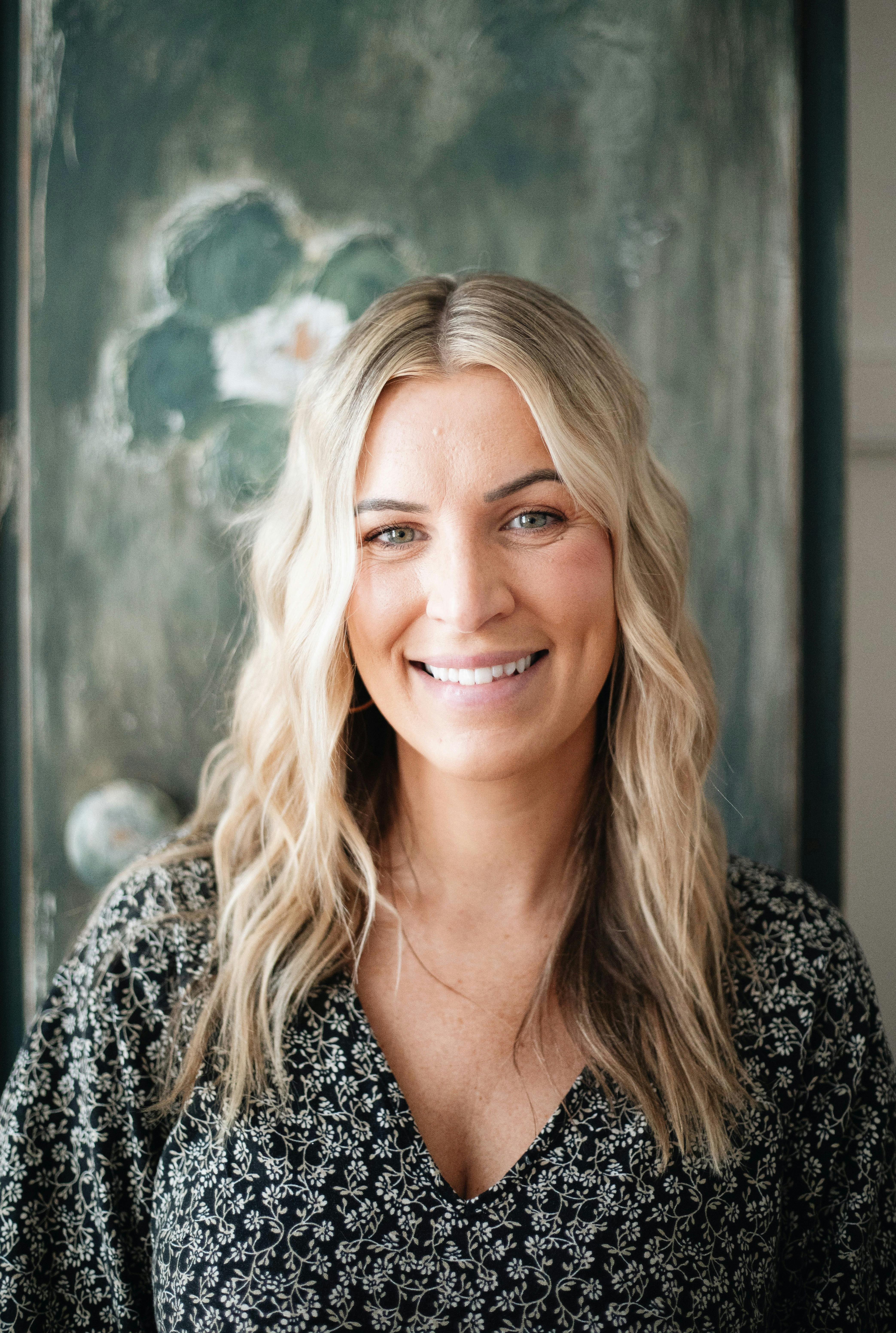
Marina Carter
Health & Fertility Writer at FertilitySmart
Marina Carter is a health and fertility writer at FertilitySmart, where she translates the latest peer-reviewed research on reproductive health into practical guidance for individuals and couples trying to conceive. Her work focuses on the evidence behind nutrition, supplementation, and lifestyle factors that influence egg and sperm quality, hormonal balance, and the broader hormonal and metabolic environment that supports conception. Marina draws on consultations with fertility specialists, nutritionists, and integrative health practitioners to ensure every article reflects current clinical best practice while remaining accessible to readers navigating their own fertility journeys. She believes that evidence-based information, delivered with empathy and warmth, helps people make decisions that feel right for their bodies and their lives. Read Full Bio →