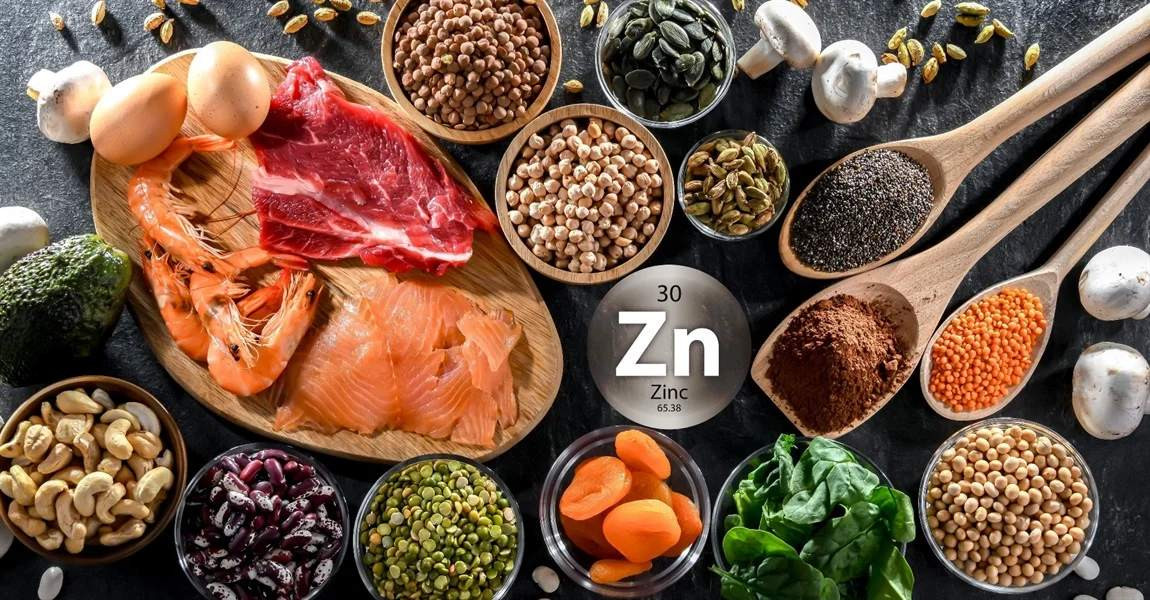
Zinc is an essential trace mineral that the male reproductive system relies on heavily, it is concentrated in the testes and in seminal fluid, and it underpins testosterone metabolism, DNA synthesis, and the antioxidant defences that protect developing sperm. Under GB regulation, zinc carries an authorised health claim that it "contributes to normal fertility and reproduction."
If you're trying to conceive, zinc is one of the minerals you'll see named again and again in male fertility supplements. The honest picture is more nuanced than most product labels suggest: zinc clearly matters for normal sperm production, but topping up when you're already getting enough is a different proposition from correcting a genuine shortfall. Here's what the research actually shows, and how to act on it sensibly.
- Zinc is concentrated in the testes and seminal plasma, where it supports testosterone metabolism, DNA synthesis, and protection of sperm from oxidative damage.
- GB law authorises three relevant zinc claims: it "contributes to normal fertility and reproduction," to "the maintenance of normal testosterone levels in the blood," and to "normal DNA synthesis." "Normal spermatogenesis" is selenium's authorised claim, not zinc's.
- A 2018 meta-analysis found zinc supplementation was associated with a 7.03% increase in total sperm motility, but the large 2020 FAZST trial found folic acid plus zinc did not improve semen quality or live birth rates.
- The benefit of supplementing appears mainly when correcting a deficiency; there's no good evidence that extra zinc helps men who already have adequate levels.
- UK adult men need 9.5 mg of zinc a day; the NHS advises not exceeding 25 mg a day from supplements, as too much zinc impairs copper absorption.
- Oysters, red meat, shellfish, pumpkin seeds, and wholegrains are among the richest dietary sources, food first is the sensible starting point.
Why does zinc matter for male fertility?
Zinc is one of the most abundant trace minerals in the male reproductive tract, concentrated in the testes, prostate, and seminal fluid. It acts as a cofactor for hundreds of enzymes and plays a structural role in the proteins that regulate cell division, both essential to producing healthy sperm. Seminal zinc concentrations are far higher than blood levels, which signals how central the mineral is to reproductive function.2
Two roles stand out for your fertility. First, zinc is involved in testosterone metabolism: it contributes to the maintenance of normal testosterone levels in the blood, and testosterone drives sperm production.1 Second, zinc is part of the antioxidant defence system that shields sperm from oxidative stress, and this matters because sperm cell membranes are rich in polyunsaturated fats and carry few internal defences, which leaves them vulnerable to damage from reactive oxygen species.2
Here's why that matters for you: the sperm in a semen sample today began forming around three months ago. Spermatogenesis, the full cycle of sperm production, takes roughly 74 days, plus maturation time, so the nutritional groundwork you lay now is supplying the raw materials for the sperm you'll produce months from now. That biology is the reason fertility specialists suggest getting nutrition in order well before you start trying.
What does the research show on zinc and sperm health?
The evidence on zinc and sperm parameters is genuinely mixed, and that nuance matters. A 2018 systematic review and meta-analysis of randomised trials reported that zinc supplementation was associated with a 7.03% increase in total sperm motility, alongside a modest improvement in sperm concentration.3 Observational data also consistently show that infertile men tend to have lower seminal zinc than fertile men.2
But the most rigorous test to date pointed the other way. The FAZST trial, published in JAMA in 2020, randomised 2,370 couples in which the male partner received either folic acid plus zinc or a placebo. After six months, the supplement combination produced no improvement in semen quality and no increase in live birth rates compared with placebo.5 It remains the largest and best-controlled trial of zinc for male fertility, and its negative result is a useful corrective to the optimism of smaller studies.
So how do you make sense of these conflicting findings? The most reasonable reading is that zinc is necessary for normal sperm production, but supplementing on top of an adequate intake doesn't reliably move the needle. Smaller positive trials often enrolled men with low baseline zinc or specific sperm problems, where correcting a shortfall could plausibly help.4 The broader picture from the 2022 Cochrane review of antioxidants for male subfertility is similar: the evidence is low to very low certainty, and the effect on live birth remains uncertain.6 The practical takeaway for you is straightforward, zinc deficiency is a problem worth fixing, but zinc as a blanket "fertility booster" is not well supported.
What are zinc's authorised health claims for fertility?
In Great Britain, the wording you can use about a nutrient is set by the GB Nutrition and Health Claims Register, which carries over the authorised claims from EU Regulation (EU) No 432/2012. For zinc, three authorised claims are directly relevant to male reproductive health, and they may only be used for foods that are at least a "source of zinc."7
These claims describe zinc's role in normal bodily function, not treatment, cure, or enhancement. That distinction is deliberate and legally meaningful. A supplement may say zinc "contributes to normal fertility and reproduction"; it may not say zinc "boosts fertility" or "increases sperm count," because those outcome claims are not authorised.
| Authorised zinc claim (verbatim) | What it means in plain English |
|---|---|
| Zinc contributes to normal fertility and reproduction | Adequate zinc is part of how the reproductive system functions normally. |
| Zinc contributes to the maintenance of normal testosterone levels in the blood | Zinc plays a role in keeping testosterone within its normal range. |
| Zinc contributes to normal DNA synthesis | Zinc is needed to build DNA, essential for the cell division behind sperm production. |
One point worth clearing up, because it's widely muddled online: "contributes to normal spermatogenesis" is the authorised claim for selenium, not zinc. The two minerals are often discussed together, but their authorised wording is different, a detail that matters when you're judging whether a product's marketing is accurate.
How much zinc do you need?
UK adult men need 9.5 mg of zinc a day, according to NHS reference intakes, and most people can reach this through diet alone.8 The Nutrient Reference Value (NRV) used on supplement labels is 10 mg. There's no benefit to exceeding your requirement, and the NHS advises against taking more than 25 mg a day from supplements unless a doctor recommends it.8
Zinc sits in a relatively narrow band: too little impairs normal function, while too much causes its own problems. Sustained high intakes, typically above 25 mg a day over time, interfere with copper absorption, which can lead to copper deficiency and anaemia.8 This is one reason "more is better" thinking is misplaced with zinc, and why high-dose single-mineral products deserve scepticism.
| Zinc intake guidance (UK adults) | Amount |
|---|---|
| Recommended daily intake (men, 19-64) | 9.5 mg/day |
| Nutrient Reference Value (label NRV) | 10 mg |
| Upper limit from supplements (NHS guidance) | Do not exceed 25 mg/day without medical advice |
If you take a combined fertility supplement, check the label so you understand your total intake across diet and supplements together, it's the combined figure that matters, not the supplement alone.
Who is at risk of zinc deficiency?
Outright zinc deficiency is uncommon in the UK, but lower intakes are more likely in certain groups: people eating little or no meat, those with conditions that impair absorption, older adults, and people with high alcohol intake. Vegetarians and vegans warrant particular attention, because plant sources are both lower in zinc and harder to absorb.
The absorption point is important. Wholegrains, legumes, nuts, and seeds contain phytates, compounds that bind zinc and reduce how much your body takes up. As a result, people following predominantly plant-based diets may need around 50% more zinc than the standard recommendation to achieve the same absorbed amount.9 Soaking, sprouting, and fermenting grains and pulses helps reduce phytate and improve availability.
Other higher-risk groups include:
- People with gut conditions: coeliac disease, inflammatory bowel disease, and other malabsorption disorders reduce zinc uptake.
- People with high alcohol intake: alcohol both reduces zinc absorption and increases its loss in urine.
- Older men: intake and absorption both tend to decline with age.
- People taking certain medicines: some diuretics and other drugs can increase zinc excretion.
If you fall into one of these groups and you're trying to conceive, it's a reasonable thing to mention to your GP, who can advise whether testing or dietary changes make sense for you.
Which foods are highest in zinc?
The richest dietary sources of zinc are oysters, red meat, and shellfish, with useful amounts also found in pumpkin seeds, wholegrains, legumes, nuts, and dairy. Oysters are exceptional, a single serving can provide several times the daily requirement, which is partly where their long-standing reputation comes from. For most people, a varied diet that includes some of these foods covers zinc comfortably.
Animal sources have an absorption advantage: your body takes up zinc from meat, fish, and shellfish more readily than zinc from plants, which phytates bind. If you eat mostly plant-based, you can help close that gap by pairing plant sources of zinc with a source of protein and reducing phytate through soaking or fermenting.
| Food (typical serving) | Approximate zinc content |
|---|---|
| Oysters (6 medium) | ~16-30 mg |
| Beef, lean (100 g, cooked) | ~4-6 mg |
| Crab or other shellfish (100 g) | ~4-6 mg |
| Pumpkin seeds (28 g) | ~2-2.5 mg |
| Cheddar cheese (30 g) | ~1 mg |
| Chickpeas or lentils (150 g, cooked) | ~1.5-2.5 mg |
| Cashew nuts (28 g) | ~1.5 mg |
A food-first approach has a clear advantage over single-nutrient supplements: whole foods deliver zinc alongside the other nutrients that matter for sperm health, selenium, omega-3 fats, and a range of antioxidants, rather than in isolation. Building these zinc-rich foods into a broader fertility-supportive diet is the most reliable foundation you can give yourself.
Should you take a zinc supplement for fertility?
For men with adequate zinc intake, the evidence does not support taking extra zinc to improve fertility, the large FAZST trial found no benefit from folic acid plus zinc, and supplementing beyond your needs carries a real risk of impairing copper absorption.5,8 Supplementation makes the most sense when intake is genuinely low, such as on a restricted diet or with a condition that impairs absorption. Testing or a GP conversation is the sensible first step rather than guessing.
If you do supplement, a few practicalities help. Zinc is available in several forms, zinc citrate, gluconate, picolinate, and others, and the differences in absorption between well-formulated forms are modest; the total dose and your baseline status matter more. Combined preconception supplements typically provide zinc at or near the NRV (around 10 mg) as part of a broader formula, which is a sensible maintenance level rather than a high therapeutic dose. Taking zinc with food can reduce the nausea some people experience on an empty stomach.
It's also worth remembering that zinc rarely acts alone in fertility formulas. Products aimed at men often combine it with selenium, antioxidants such as vitamin C and vitamin E, CoQ10, and L-carnitine, nutrients studied for their roles in sperm energy production and protection from oxidative damage, the same oxidative process implicated in sperm DNA fragmentation. Zinc is best understood as one supporting input within that picture, alongside diet, weight, sleep, and limiting smoking and alcohol, not a standalone fix. For the fuller view of how these nutrients fit together, our guide to male fertility sets out the evidence across the board.
Frequently Asked Questions
Does zinc increase sperm count?
The honest answer is that the evidence is mixed and does not support a reliable effect. Some small studies reported improvements in sperm parameters with zinc, and a 2018 meta-analysis linked zinc to a 7.03% rise in total motility.3 However, the large 2020 FAZST trial found that folic acid plus zinc did not improve semen quality or live birth rates.5 Under GB rules, zinc may be described as contributing to "normal fertility and reproduction," not as increasing sperm count.
How much zinc should a man take when trying to conceive?
UK adult men need 9.5 mg of zinc a day, and most can reach this through diet.8 Combined fertility supplements typically provide around the 10 mg NRV. The NHS advises not exceeding 25 mg a day from supplements without medical advice, because high intakes impair copper absorption.8 If you eat a varied diet including meat or shellfish, you may already be getting enough.
Can too much zinc harm fertility?
Yes, more is not better with zinc. Sustained intakes above 25 mg a day can interfere with copper absorption and lead to copper deficiency over time.8 High-dose single-mineral products offer no proven fertility advantage and carry this downside, which is why moderate, NRV-level doses within a balanced formula are preferable.
How long does zinc take to affect sperm?
Because sperm production takes around three months, any nutritional change, including zinc, needs roughly that long to show up in a semen analysis. This is why fertility specialists suggest reviewing diet and supplements at least three months before trying to conceive, rather than expecting rapid results.
Is the zinc in fertility supplements enough?
Combined preconception supplements for men generally include zinc at a maintenance level, enough to support normal intake alongside diet, rather than a high therapeutic dose. If you have a confirmed deficiency, your GP may recommend a higher corrective dose first. For most men with reasonable diets, an NRV-level dose as part of a broader formula is appropriate.
Should I take zinc on its own or in a combined supplement?
For fertility, a combined formula is usually more sensible than isolated high-dose zinc. Sperm health depends on several nutrients working together, zinc, selenium, antioxidants, and others, and a balanced formula avoids the copper-absorption risk of high single-mineral doses. Isolated zinc is mainly relevant for treating a diagnosed deficiency under medical guidance.
Supporting Your Fertility with FertilitySmart
Zinc works best as part of a complete nutritional foundation for male reproductive health, alongside selenium, antioxidants, and a varied, food-first diet. If you're trying to conceive, your goal is adequate zinc through diet, with a balanced supplement providing steady maintenance support rather than a high dose.
At FertilitySmart, we offer fertility supplements for men formulated with zinc, which contributes to normal fertility and reproduction, alongside selenium and other nutrients, and fertility supplements for women. Explore our range of evidence-based supplements formulated with the nutrients discussed in this guide.
Related Reading
If zinc is on your radar, these guides will help you build the fuller picture of nutrition and male fertility.
- Best Fertility Supplements for Men
How to compare men’s fertility supplements, with the register-backed nutrients to look for and how they appear in Conceive for Men.
- Conceive for Men
Our daily men’s fertility supplement, built around zinc, selenium and vitamin B6.
-
Male Fertility: A Complete Evidence-Based Guide
The pillar guide showing how zinc fits alongside the other nutrients and lifestyle factors that matter for sperm health. -
What Does CoQ10 Do for Fertility?
A closely studied antioxidant for sperm energy production and protection. -
L-Carnitine for Fertility
How this nutrient supports sperm motility and energy metabolism. -
Sperm DNA Fragmentation
Why oxidative damage to sperm DNA matters, and the role of antioxidant nutrients. -
Should I Take Vitamins to Help Get Pregnant?
Where zinc ranks among the supplements with the strongest fertility evidence. -
How Does Folic Acid Help with Fertility?
Folic acid was the other half of the FAZST trial; here's its own evidence. -
A Complete Guide to Fertility Supplements (For Women & Men)
How individual nutrients fit into a complete preconception approach. -
Fertility Diet: How Nutrition Can Support Conception
The food-first foundation that supplies most of your zinc. -
Selenium and Sperm Health: What the Evidence Shows
The companion trace mineral for sperm formation and motility, and how it works alongside zinc.
References
- EFSA Panel on Dietetic Products, Nutrition and Allergies. Scientific Opinion on the substantiation of health claims related to zinc, including maintenance of normal serum testosterone concentrations (ID 301). EFSA Journal. 2010;8(10):1819.
- Fallah A, Mohammad-Hasani A, Colagar AH. Zinc is an essential element for male fertility: a review of Zn roles in men's health, germination, sperm quality, and fertilization. Journal of Reproduction and Infertility. 2018;19(2):69-81. pubmed.ncbi.nlm.nih.gov/30009140
- Salas-Huetos A, Rosique-Esteban N, Becerra-Tomás N, et al. The effect of nutrients and dietary supplements on sperm quality parameters: a systematic review and meta-analysis of randomized clinical trials. Advances in Nutrition. 2018;9(6):833-848. doi.org/10.1093/advances/nmy057
- Omu AE, Al-Azemi MK, Kehinde EO, et al. Indications of the mechanisms involved in improved sperm parameters by zinc therapy. Medical Principles and Practice. 2008;17(2):108-116.
- Schisterman EF, Sjaarda LA, Clemons T, et al. Effect of folic acid and zinc supplementation in men on semen quality and live birth among couples undergoing infertility treatment (FAZST trial). JAMA. 2020;323(1):35-48. doi.org/10.1001/jama.2019.18714
- de Ligny W, Smits RM, Mackenzie-Proctor R, et al. Antioxidants for male subfertility. Cochrane Database of Systematic Reviews. 2022;5:CD007411.
- Commission Regulation (EU) No 432/2012 establishing a list of permitted health claims made on foods; GB Nutrition and Health Claims (NHC) Register (zinc entries).
- National Health Service (NHS). Zinc, Vitamins and minerals. nhs.uk/conditions/vitamins-and-minerals/others
- Institute of Medicine (US) Panel on Micronutrients. Dietary Reference Intakes for Vitamin A, Vitamin K, Arsenic, Boron, Chromium, Copper, Iodine, Iron, Manganese, Molybdenum, Nickel, Silicon, Vanadium, and Zinc. Washington, DC: National Academies Press; 2001.

Marina Carter
Health & Fertility Writer at FertilitySmart
Marina Carter is FertilitySmart's lead writer on fertility, preconception health, and reproductive nutrition. She translates the clinical and nutritional evidence base into honest, practical guidance for individuals and couples trying to conceive, working closely with the product team to ensure every article reflects current peer-reviewed research and the lived emotional reality of the fertility journey. Read Full Bio →