
Let's set the vibe: you're ready to grow your family, you've hit (or passed!) 35, and you're wondering what's different - and what's actually in your control. First off, deep breath. This isn't a doom-and-gloom cliffhanger about your reproductive years. It's more of a "yes, things shift, but here's what you can do with that info" kind of conversation.
Whether you're just starting to try or have been at it for a while, this guide breaks it down in a friendly, smart, and actionable way. Think of it as your fertility road map - clear, realistic, and hopeful.
What Changes After 35?
How Does Egg Quantity and Quality Change After 35?
Here's the biology 101: as you age, both the number of eggs you have and their quality gradually decline. This doesn't happen overnight at 35 - it's a slow curve that tends to become more noticeable in the late 30s.
The impact is real:
- Fewer eggs available overall
- Higher likelihood of chromosomal abnormalities, which can affect implantation and miscarriage risk
In practical terms:
- Chances of conceiving each cycle are slightly lower than in your 20s
- Miscarriage risk increases as egg quality declines
But here's the crucial part: this is a spectrum - not a cliff. Many people conceive naturally in their late 30s and early 40s.
| Age Bracket | Estimated Egg Reserve | Chance of Conceiving Per Cycle | Miscarriage Risk | Recommended Action |
|---|---|---|---|---|
| Under 30 | Optimal reserve | 25–30% | ~10% | Focus on overall health and lifestyle optimisation. |
| 30–34 | Good reserve | 20–25% | ~12% | Continue healthy habits; begin preconception planning if desired. |
| 35–37 | Noticeably declining | 15–20% | ~15–20% | Prioritise egg quality through nutrition and antioxidants. |
| 38–40 | Significantly reduced | 10–15% | ~25–30% | Fertility testing and specialist consultation recommended. |
| 41–43 | Severely depleted | 5–10% | ~35–40% | Professional fertility assessment and potential advanced treatment options. |
| 44+ | Critically low | <5% | ~50%+ | Discuss all fertility options with a fertility specialist. |
What's Actually in Your Control After 35?
Why Does Knowing Your Cycle Matter More After 35?
Understanding your fertile window - the days leading up to and including ovulation - is one of the biggest game-changers when trying to conceive after 35.
- Sperm can live up to 5 days inside the body
- The egg survives about 12-24 hours after ovulation
Helpful tracking tools include:
- Ovulation predictor kits (OPKs)
- Fertility tracking apps
- Cervical mucus observations
- Basal body temperature charting
Knowing your timing helps you optimise intercourse without turning it into a high-stress event.
How Can You Optimise Your Lifestyle to Support Fertility?
Healthy habits matter at any age, but they become especially impactful after 35.
Focus on:
- Sleep: regulates reproductive hormones and supports ovulation
- Nutrition: Mediterranean or nutrient-dense diets support fertility
- Exercise: helps maintain a healthy weight (too much or too little can disrupt cycles)
- Quit smoking: tobacco accelerates ovarian aging and harms egg quality
- Moderate alcohol: excess alcohol can interfere with hormone balance
Lifestyle changes aren't a magic button - but they create a strong foundation that can meaningfully improve fertility outcomes.
Which Supplements Can Support Fertility After 35?
While you can't increase the number of eggs, certain fertility supplements may help support egg health and overall reproductive wellness. This article is for informational purposes only and does not constitute medical advice. Consult your healthcare provider before starting any supplement regimen, especially if you are pregnant, trying to conceive, or taking medication.
Commonly discussed options include:
- Prenatal vitamins (especially folic acid and iron)
- Myo-inositol & melatonin, which may support ovarian function in some individuals
- CoQ10, often discussed for potential egg quality support; research is still evolving, and a typical research dose is 200-600mg daily for 8-12 weeks before conception
Always consult your healthcare provider before starting new supplements.
Which Tests Should You Get, and When?
Because fertility changes after 35, doctors typically recommend earlier evaluation than they would for younger individuals.
- If you've been trying for 6 months without success, consider seeing a fertility specialist
- Testing may include:
- Hormone panels (AMH, FSH, estradiol)
- Ultrasound to assess ovarian reserve
- Semen analysis to evaluate sperm health
The goal here is clarity - not panic.
How Should You Approach TTC After 35 Mentally?
One of the most overlooked parts of trying to conceive after 35 is the mental and emotional load.
The process can bring up excitement, pressure, frustration, or anxiety - and elevated stress hormones can indirectly impact your cycle.
You're allowed to:
- Feel optimistic
- Feel overwhelmed
- Ask for support (partners, counselors, support groups)
- Take breaks from tracking and calendar-watching
Perfection isn't the goal. Balance is.
What Is the Biological Clock — and Should You Worry About It?
Yes, fertility changes with age - but it's not a ticking time bomb. It's more like a metronome that gradually slows down.
Some people conceive easily in their late 30s. Others take longer. Some use fertility treatments like IUI or IVF. Others explore egg freezing earlier to expand future options.
There's no one "right" path - just informed, proactive choices.
Frequently Asked Questions
Is 35 really the cutoff for fertility?
Not exactly. Fertility doesn't plummet at 35 - it gradually declines. However, outcomes become more variable, which is why clinicians often recommend earlier evaluation.
Should I see a doctor right away?
If you've been trying for around 6 months, have irregular cycles, or have known reproductive or health conditions, it's worth booking an appointment sooner rather than later.
Can lifestyle changes really help at this age?
Yes. Sleep, stress management, nutrition, quitting smoking, moderate exercise, and cycle tracking can all support fertility and a healthy pregnancy.
What about egg freezing?
Egg freezing is generally more effective before 35, but it remains an option at 35 and beyond depending on individual circumstances. A fertility specialist can help determine if it makes sense for you.
My partner's age matters too, right?
Absolutely. Male fertility also changes over time, and sperm quality plays a major role in conception and pregnancy outcomes.
These statements have not been evaluated by the Food and Drug Administration. These products are not intended to diagnose, treat, cure, or prevent any disease.
References
- American Pregnancy Association - Trying to Conceive After Age 35
https://americanpregnancy.org/getting-pregnant/trying-to-conceive-after-age-35/ - ACOG (American College of Obstetricians and Gynecologists) - Having a Baby After Age 35: How Aging Affects Fertility and Pregnancy
https://www.acog.org/womens-health/faqs/having-a-baby-after-age-35-how-aging-affects-fertility-and-pregnancy - NICE (National Institute for Health and Care Excellence) - Fertility problems: assessment and treatment
https://www.nice.org.uk/guidance/cg156/ - Evidence Based Birth - Pregnancy at Age 35 and Older
https://evidencebasedbirth.com/advanced-maternal-age/ - ASRM (American Society for Reproductive Medicine) - Age and Fertility
https://www.reproductivefacts.org/news-and-publications/fact-sheets-and-infographics/age-and-fertility-booklet/ - CCRM (Colorado Center for Reproductive Medicine) - How Long Does It Take for Sperm to Reach the Egg & Get Pregnant
https://www.ccrmivf.com/blog/how-long-does-it-take-for-sperm-to-fertilize-an-egg/ - Extend Fertility - CoQ10 for Egg Quality: Dosage, Timeline, and IVF Guidelines
https://extendfertility.com/egg-freezing-outcomes-by-age/
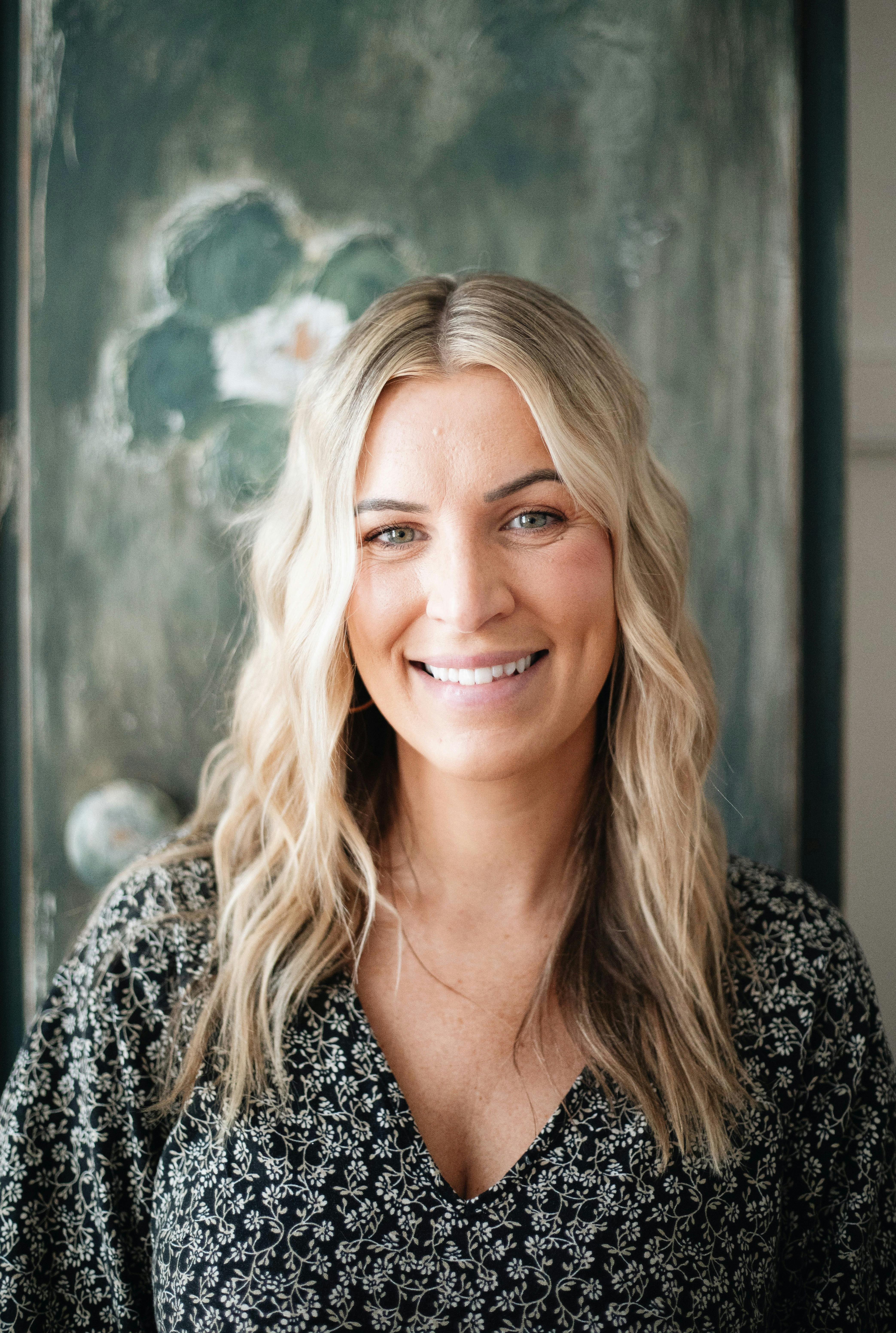
Marina Carter
Fertility Health Writer at FertilitySmart
Marina Carter is a specialist health writer with nearly a decade of experience in reproductive health, fertility nutrition, and evidence-based conception support. She has authored over 30 in-depth articles for FertilitySmart, translating peer-reviewed research into clear, practical guidance for individuals and couples on their fertility journey. Read full bio →