If you've spent more than five minutes Googling fertility nutrition, you've probably run into strong opinions about what you should (or definitely should not) be eating.
Plant-based diets! No - animal protein only! Cut carbs! Eat liver! Avoid soy forever!
Let's take a breath.
When it comes to fertility, the question isn't plant-based or animal-based - it's how each approach supports hormones, egg quality, sperm health, and overall reproductive wellness.
Let's break down what the research actually says, the pros and cons of each, and how to build a fertility-friendly diet that works for your body.
Why Does Diet Matter for Fertility Regardless of Eating Style?
Fertility depends on:
- Hormone production and balance
- Egg and sperm quality
- Blood sugar regulation
- Inflammation levels
- Nutrient availability
Diet influences all of these. That means both plant-based and animal-based diets can support fertility - or work against it - depending on food quality, balance, and consistency.
How Do Plant-Based Diets Affect Fertility?
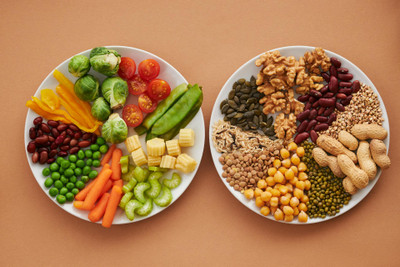
A plant-based diet focuses primarily (or exclusively) on foods from plants, including fruits, vegetables, whole grains, legumes, nuts, and seeds.
What Are the Potential Benefits of a Plant-Based Diet for Fertility?
Improved insulin sensitivity
Plant-based diets rich in fibre can help regulate blood sugar, which is especially helpful for ovulation and conditions like PCOS.
Lower inflammation
Antioxidants and phytonutrients in plants may reduce chronic inflammation that interferes with reproductive hormones.
Heart and metabolic health
Better circulation and metabolic health support reproductive organs and hormone signaling.
Research suggests that diets emphasising plant-based proteins may be associated with improved ovulatory function.
What Are the Challenges of Plant-Based Diets for Fertility?
While plant-based diets can absolutely support fertility, they require intentional planning.
Common nutrients to watch:
- Vitamin B12
- Iron
- Zinc
- Omega-3 fatty acids (DHA/EPA)
- Choline
Low intake of these nutrients can affect egg quality, ovulation, and sperm development if not addressed. If you follow a plant-based diet, working with a healthcare provider or registered dietitian can help you identify any nutritional gaps and determine whether supplementation might be beneficial for your fertility journey.
Note: A poorly planned plant-based diet can be just as problematic as a highly processed omnivorous one.
How Do Animal-Based Diets Affect Fertility?
Animal-based diets emphasise foods like meat, poultry, fish, eggs, and dairy. These diets naturally provide many fertility-supportive nutrients.
What Are the Potential Benefits of an Animal-Based Diet for Fertility?
High-quality protein
Essential for hormone production and reproductive tissue development.
Bioavailable nutrients
Animal foods are rich in:
- Iron (heme iron)
- Vitamin B12
- Zinc
- Choline
- DHA
These nutrients are directly linked to egg quality, sperm health, and hormone balance.
Satiety and blood sugar stability
Adequate protein and fat intake can help stabilise blood sugar, supporting ovulation and testosterone production.
What Are the Challenges of Animal-Based Diets for Fertility?
Not all animal-based diets are fertility-friendly by default.
Potential concerns:
- Excess saturated fat from ultra-processed meats
- Low fibre intake
- Limited antioxidant intake if fruits and vegetables are minimised
Highly restrictive or carnivore-style diets may increase inflammation and negatively impact gut health, which plays a role in hormone regulation.
What Does the Research Say?
The strongest fertility research doesn't support extremes.
Instead, studies consistently show that dietary patterns resembling the Mediterranean diet - which includes both plant and animal foods - are associated with improved fertility outcomes.
Key characteristics of fertility-supportive diets:
- High intake of vegetables and fruits
- Whole grains over refined carbs
- Healthy fats (olive oil, nuts, fish)
- Moderate amounts of high-quality animal protein
- Minimal ultra-processed foods
This suggests that balance matters more than labels.
What About Men's Fertility?
Diet matters just as much for sperm health.
Both plant-based and animal-based diets can support male fertility when they include:
- Adequate zinc and selenium
- Omega-3 fatty acids
- Antioxidant-rich foods
Poor-quality diets - regardless of philosophy - are linked to lower sperm count, reduced motility, and increased DNA damage.
So… Which Diet Is Better for Fertility?
Short answer: the one you can sustain while meeting your nutrient needs.
What Should a Fertility-Friendly Diet Include?
- Prioritise whole foods
- Include sufficient protein
- Provide key reproductive nutrients
- Support blood sugar balance
- Minimise ultra-processed foods
For many people, that looks like a flexible, mostly plant-forward diet with thoughtfully chosen animal foods.
Here's a quick look at how these two dietary approaches compare when it comes to key fertility nutrients.
| Nutrient | Role in Fertility | Plant-Based Sources | Animal-Based Sources | Supplementation Considerations |
|---|---|---|---|---|
| Folate/Folic Acid | Supports DNA synthesis and cell division essential for egg and sperm development. | Leafy greens, lentils, chickpeas, asparagus, broccoli. | Egg yolks, liver, salmon. | Supplementation recommended for all preconception individuals; methylfolate may be preferable for some. |
| Iron (Heme vs Non-Heme) | Required for oxygen transport and ovulatory function. | Lentils, beans, spinach, pumpkin seeds; pair with vitamin C for absorption. | Red meat, poultry, fish (heme iron has higher bioavailability). | Plant-based diets may benefit from supplementation; test serum ferritin levels first. |
| Zinc | Supports ovulation, hormone balance, and sperm health. | Legumes, seeds (pumpkin, hemp), nuts, whole grains. | Oysters, beef, poultry, eggs (higher bioavailability). | Consider supplementation; plant-based sources have lower absorption rates due to phytates. |
| Omega-3 (DHA/EPA) | Reduces inflammation and supports foetal development and egg quality. | Flaxseeds, chia seeds, walnuts (provide ALA; conversion to DHA/EPA is limited to 5-10% for EPA and 2-5% for DHA). | Fatty fish (salmon, mackerel), fish oil. | Supplementation recommended for plant-based diets; algae-derived DHA/EPA available. |
| Vitamin B12 | Supports hormone balance and DNA synthesis. | Fortified plant-based milks, nutritional yeast (variable bioavailability). | Meat, fish, eggs, dairy. | Essential for plant-based diets; oral or injected supplementation recommended. |
| Choline | Supports foetal neurodevelopment and egg quality. | Soybeans, tofu, Brussels sprouts, broccoli (lower amounts). | Eggs, beef, fish, chicken. | Plant-based diets often fall short; supplementation or fortified foods may help. |
| Vitamin D | Regulates calcium absorption, immune function, and hormone balance. | Mushrooms (sun-exposed), fortified plant milks. | Fatty fish, egg yolks, fortified dairy. | Supplementation advised for all diets; test levels and adjust accordingly. |
| Selenium | Antioxidant that protects sperm and egg cells from oxidative stress. | Brazil nuts (highest plant source), whole grains, legumes. | Fish, shellfish, meat, eggs. | Food sources usually adequate; supplementation only if deficient. |
How Do You Build a Fertility-Supportive Diet?
You don't have to choose a camp. Try this instead:
- Fill half your plate with vegetables and fruit
- Choose plant proteins and high-quality animal proteins
- Include healthy fats daily
- Aim for variety, not perfection
- Add fertility supplements strategically (with provider guidance)
Frequently Asked Questions
Is a plant-based diet better for fertility than eating meat?
Not necessarily. Plant-based diets can support fertility when well-planned, but they're not automatically superior. Nutrient adequacy is key.
Can eating meat harm fertility?
High intakes of processed meats and saturated fats may negatively impact fertility, but moderate amounts of high-quality animal protein can be beneficial.
What if my partner and I eat differently?
That's fine. Fertility diets don't need to be identical - just supportive of each person's nutrient needs.
Do I need to pick one approach?
No. Many fertility experts recommend a blended approach that emphasises whole plant foods alongside strategic animal-based nutrients.
Should I change my diet immediately when trying to conceive?
Gradual, sustainable changes are more effective than drastic shifts. Most fertility-related dietary benefits appear over 2-3 months, reflecting the 90-day egg maturation timeline.
These statements have not been evaluated by the Food and Drug Administration. These products are not intended to diagnose, treat, cure, or prevent any disease.
References
- Harvard T.H. Chan School of Public Health - The Fertility Diet
https://nutritionsource.hsph.harvard.edu/fertility/ - American Society for Reproductive Medicine (ASRM) - Nutrition and Fertility
https://www.asrm.org - Fertility and Sterility Journal - Dietary patterns and reproductive outcomes
https://www.fertstert.org - National Institutes of Health (NIH) - Diet, inflammation, and fertility
https://www.ncbi.nlm.nih.gov - Mayo Clinic - Male fertility and lifestyle factors
https://www.mayoclinic.org

Marina Carter
Fertility Health Writer at FertilitySmart
Marina Carter is a specialist health writer with nearly a decade of experience in reproductive health, fertility nutrition, and evidence-based conception support. She has authored over 30 in-depth articles for FertilitySmart, translating peer-reviewed research into clear, practical guidance for individuals and couples on their fertility journey. Read full bio →